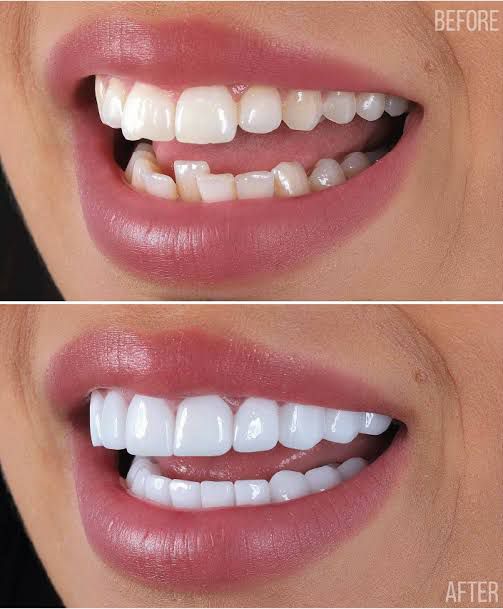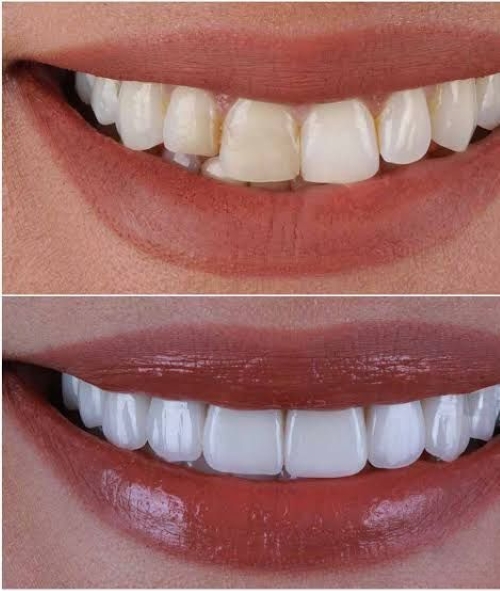
Zirconium crowns have become one of the most widely used materials in fixed prosthodontics over the past two decades — and for concrete technical reasons. Zirconium dioxide is strong, metal-free, biocompatible with oral tissues and does not cause the characteristic greyish discolouration at the gum line that metal-ceramic crowns can develop over time. On this page we cover what a zirconia crown is from a material perspective, where its real advantages lie and in which cases it is not the optimal choice.
If you are considering crowns in Alanya, this information will help you come to the consultation with a clearer understanding of what you will be offered and why.
Zircon in dentistry refers to zirconium dioxide (ZrO₂), a white ceramic material with high mechanical performance. It is not related to the metal zirconium in its pure form — it is an oxide ceramic structurally closer to porcelain than to metal. Key properties:
The one meaningful disadvantage of zirconia compared to E-Max is lower translucency. Zirconia is more opaque, making it less ideal for the front zone in patients with high aesthetic demands. High-translucency zirconia (HT-zirconia) narrows this gap but does not reach E-Max’s ability to mimic natural enamel optics.
Metal-ceramic was the standard in fixed prosthodontics for decades. Today it is used less — primarily where price is the decisive factor.
Parameter | Metal-ceramic | Zirconia |
Metal framework | Present | None |
Strength | High | Very high |
Translucency | Limited by framework | Higher, depends on type |
Gum-line edge | Grey discolouration possible | No discolouration |
Metal allergy | Possible | Excluded |
Thermal conductivity | High — sensitivity possible | Low |
Colour stability | High | High |
Service life | 15–20 years | 15–20 years and more |
Gum-line discolouration in metal-ceramic is one of the most common aesthetic complaints. It does not appear immediately but after several years, when the metallic framework begins to show through the gum margin or the gum recedes slightly. Zirconia eliminates this risk entirely.
In practice, both materials are often used in a single treatment plan: E-Max for front teeth, zirconia for posteriors. This optimises both aesthetics and strength across the arch.
The crown is milled entirely from a single zirconia block without additional ceramic veneering. Advantages: maximum strength, no chipping risk, lower laboratory cost. Disadvantage: somewhat less aesthetic. Primary application: posterior zone.
Feldspathic ceramic is hand-applied to a zirconia framework, producing better aesthetics and a closer imitation of natural tooth structure. Disadvantage: risk of chipping the veneer layer under point loading. Application: anterior zone with high aesthetic requirements.
Newer variants with improved light transmission. They sit aesthetically between standard zirconia and E-Max while retaining high strength. Used where a balance between strength and acceptable aesthetics in the visible zone is needed.
Not indicated when the tooth is structurally sound and the task is purely aesthetic — in that case a veneer is the less invasive solution.
Stage | Description |
Diagnostics | X-ray to assess root condition, periapical tissues and bone level. |
Preparation | Uniform reduction of the tooth by 1.0–1.5 mm. Impression or 3D scan. Temporary crown for the laboratory period. |
Laboratory production | CAD/CAM milling from a zirconia block. Manual veneering if required. Time: 5–8 working days. |
Try-in | Crown tried in without bonding: fit, colour, contacts, occlusion. |
Cementation | Tooth surface is prepared, crown bonded with cement. Final occlusal check and margin polishing. |
A single crown requires two appointments with a 5–8 day interval. With multiple crowns or combined treatment, the total duration is typically 7–12 days — realistic for a stay in Alanya.
If root canal treatment is needed before the crown, this should be factored into the trip. Both can be completed in one visit with good scheduling. Send us an X-ray — we will assess what is needed and how long it will take.